Mobile:
081 737 0025
Physical address:
33 Helen joseph Road,
Bulwer, Berea, Dbn, 4083
Mobile:
081 737 0025
Physical address:
33 Helen joseph Road,
Bulwer, Berea, Dbn, 4083

What will your house actually cost to build in 2026?
In Greater Durban, that question has become harder to answer. Cement up one month, steel up the next, timber volatile all year. If your builder quotes you in November and starts in February, the price can move before a single brick is laid.
That is why understanding KZN material pricing trends matters – and why a bulk supply chain that locks rates is the difference between a fixed price and a moving target.
This guide explains KZN material pricing trends for 2026 – what is driving cement, bricks, steel and timber in KwaZulu-Natal, how much escalation to expect, and how we use bulk buying to lock your 2026 build price in Greater Durban. No hype, just numbers and the contract clause that protects you.
If you are planning a build in Durban, Pinetown, Umhlanga or Hillcrest, KZN material pricing trends are the first thing to check before you sign.

The headline number for South Africa is clear: Material cost inflation is about 5.9% across South Africa for 2026 https://www.thehandymanjohannesburg.co.za and experts predict a 5.7% increase in 2026, rising to 5.9% in 2026.
But averages hide the detail in KZN material pricing trends. In KZN, costs are higher than national average because of transport, port logistics and demand.
KwaZulu-Natal tops the list at R14,860 per sqm, with Gauteng close behind at R13,330. Project costs may range from R10,000 to R20,000 per square metre in South Africa, but KZN sits at the top end.
For KZN material pricing trends, the breakdown for 2026 is: Steel prices have gone up by about 15% since 2026. Cement costs have risen by 8-10% in same period. Steel prices have increased by 15-20%. Cement costs have risen by 8-10%. Timber prices have increased by 12-15% for structural timber. Bricks and blocks have seen 5-7% increases. And Materials costs rose 12% year over year https://www.billd.com – which makes a locked-in number worth more than it used to be.
And from Stats SA Construction Material Price Indices: Construction bricks and tiles up 5.1%, Bricks up 5.8%, Cement up 4.8%, Ready-mix concrete up 12.5% https://www.ecmba.org.za. Translation: cement and ready-mix are the most volatile in KZN material pricing trends, bricks are steadier but still up year-on-year.
For a typical 250 sqm house in Greater Durban, that volatility means R145,000 to R220,000 in potential escalation if you do not lock rates – on materials alone, which are Materials (50% of budget): Core items like steel, cement, and bricks are influenced by market volatility and fuel prices, with brick costs ranging from R1,600 to R6,000 per 1,000 units https://www.infiniteglobalprojects.co.za
Let’s break down the four materials that decide KZN material pricing trends for a house build.
1. Cement and Concrete
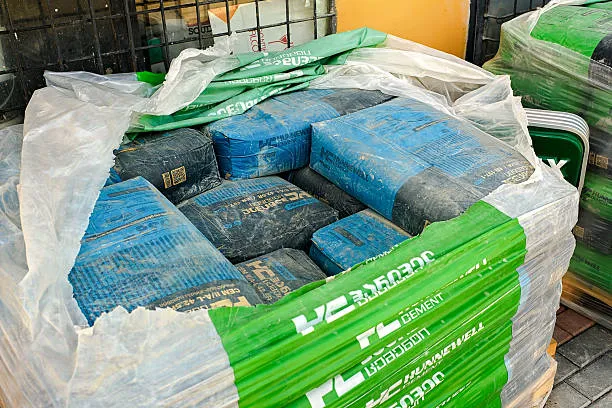
Cement in 2026: Cement (AfriSam Rapid Hard 52.5R 50kg) R116.95 – R115.00 at retail https://www.southafricalists.com– but bulk price is lower. Cement costs have risen by 8-10%. For a house using ∼950 bags for foundations, slabs and brickwork, a R9 increase per bag = R8,550 extra. Ready-mix up 8.2%. For 85m3 of concrete at R2,350/m3, a 8% rise = R15,980 extra. That is why cement is the first item we lock in KZN material pricing trends.
2. Bricks and Blocks
Bricks: R1,600 to R6,000 per 1,000 units. Bricks (Cement Stock, per unit) R2.30 – R2.50. For a 250 sqm house using 28,000 bricks, a R0.20 increase = R5,600. Small per unit, but bricks are 5-7% increases in KZN material pricing trends – steady, not spiky.
3. Steel
Steel is the wildcard in KZN material pricing trends. Steel prices have seen big shifts, affecting structural costs. And Steel prices have increased by 15-20%. For reinforcement: Steel Reinforcing Mesh (2.4m x 6m) R649.95 – R675.00. For Y12 rebar, R18.50/kg to R22.40/kg in 2026. A house using 4,200 kg of steel – a R3.90/kg rise = R16,380. And Steel prices vary frequently depending on brand, grade, diameter, raw material costs, demand, supplier availability, order quantity, delivery location https://www.steeloncall.com – that volatility is why steel must be locked, not estimated.
4. Timber
Timber prices have increased by 12-15% for structural timber. Roof trusses for 250 sqm: R78,000 to R112,000 in 2026. A 10% rise = R7,800 to R11,200. Timber is also affected by global supply chain disruptions.
Total exposure if you do not lock: Cement R8,550 + Ready-mix R15,980 + Bricks R5,600 + Steel R16,380 + Timber R9,500 = R56,010 on materials alone, plus labour escalation. On a R2.6m build, that is 2.1% – but with compounding and delays, it often becomes R120,000 to R180,000 in variations.
This is where bulk buying changes KZN material pricing trends for you.
Our model is simple: we buy for 12-18 houses at a time in Greater Durban, not one by one. That gives us volume that a single-house builder cannot get.
Step 1 – Forward buying per project
When your BOQ is priced, we issue purchase orders to AfriSam / PPC (cement), Corobrik (bricks), Macsteel / Robor (steel), and timber merchants for your exact quantities – 950 bags cement, 28,000 bricks, 4,200 kg steel, trusses – at that day’s rate, with 90-day price hold. Lock in long-term purchasing contracts so pricing is set before costs move against you https://www.billd.com – that is the principle.
Step 2 – Bulk discount and price protection
41% of suppliers raise prices for customers who pay late, by 9% on average – we pay on time, on bulk terms, so we avoid that 9% penalty.
Bulk discount in KZN in 2026: Cement – 6-8% off retail, Bricks – 4-6% off retail, Steel – 5-7% off retail, Timber – 7-9% off retail when bought in bulk for multiple sites. On R1.3m materials for a house, that is R78,000 to R104,000 saved versus retail buying.
Step 3 – Fixed-price clause in JBCC
We then put that locked price into your contract: “Materials rates fixed for 9 months from acceptance – cement, bricks, steel, timber – no escalation except statutory VAT increase – variations only on written client instruction.” That clause is what makes KZN material pricing trends irrelevant to you after signing – the trend can move, your price does not.
Step 4 – Storage and just-in-time delivery
We do not store all materials on your stand. We store at our Durban yard and deliver just-in-time – delivery and transport are factored into bulk price, not added later. That avoids theft, damage and double handling – which in KZN can add R12,000 to R25,000 if materials sit on site for months.
Result for KZN material pricing trends: Your 2026 build price is locked at BOQ rates, not at 2026 spot rates when you start.
What Happens If You Build Without a Price Lock in KZN?
Without a lock, KZN material pricing trends hit you three ways:
With a bulk lock, those three risks are transferred to us, not you. That is the core of KZN material pricing trends protection.
For budgeting in Greater Durban in 2026, use these ranges – they already reflect KZN material pricing trends:
These ranges already include material price inflation exceeding general inflation. But with bulk lock, your per-sqm is fixed at contract date.
For KZN material pricing trends, the key is to compare fixed-price per sqm vs cost-plus per sqm. Fixed-price per sqm includes bulk discount and lock. Cost-plus per sqm looks cheaper on paper – R12,800/sqm – but with 12% materials rise, it becomes R14,336/sqm – more expensive in reality.
To understand how a fixed-price BOQ protects you, read our guide on Durban Construction BOQ Guide: Fixed-Price Building Contracts https://mhhomessa.com/durban-construction-boq-guide-fixed-price-building-contracts/ – it explains the JBCC clause that locks BOQ rates.
For Greater Durban in 2026, KZN material pricing trends are not going down. They are up 5.9% nationally, 8-10% for cement, 15-20% for steel, 12-15% for timber in some reports.
Three numbers to remember:
5.9% – national material inflation for 2026 – KZN at top end at R14,860/sqm
R78,000-R104,000 – bulk discount saving on R1.3m materials when bought in bulk
9 months – price lock period in our JBCC – your 2026 price does not move for 9 months
If your builder cannot show you bulk supplier letters, locked rates, and a JBCC clause that says “Materials rates fixed for 9 months”, you are carrying the risk of KZN material pricing trends.
Bring your quote to MH Homes, 33 Helen Joseph Road, Durban. We will audit your BOQ for escalation clauses, provisional material sums, and missing bulk discounts – no charge for initial pricing audit.
Internal links: Explore our new house building service for Greater Durban https://mhhomessa.com/services/new-house-building/ , bulk supply chain and fixed-price materials service https://mhhomessa.com/services/fixed-price-contracts/, and contact our Durban office for your free pricing audit https://mhhomessa.com/contact/
Got questions about your project? Let's chat!
MH Homes | Privacy policy
Message MH Homes on WhatsApp