Trusted Construction Company in Durban: How to Avoid Costly Builder Mistakes

Choosing a trusted construction company in Durban is the single most consequential financial decision any KwaZulu-Natal property owner will make when building a new home, adding a double-storey extension, or executing a major structural renovation. Across Durban, Umhlanga, Ballito, Berea, Durban North, Westville, and Kloof, residential building projects routinely represent investments between R450,000 and R12,000,000+. Yet every year, dozens of KZN homeowners suffer stalled sites, escalating provisional sums, unapproved municipal alterations, and structural defects because they hired the wrong construction company based solely on the lowest upfront square-metre price.

When you partner with an established, properly registered construction company in Durban, every phase of your project—from geotechnical soil testing and structural steel engineering to NHBRC enrolment, municipal plan approval, and final occupation certificates—follows a transparent, legally binding sequence. Conversely, when a homeowner hires an unvetted contractor without verifiable credentials, vague bills of quantities quickly turn into endless variation orders, sub-standard coastal concrete mixes begin spalling in salt air, and subcontractors walk off site mid-build.

At MH Homes (Pty) Ltd, our leadership team has spent over 15 years operating as a turnkey residential construction company across Durban and coastal KwaZulu-Natal. In this comprehensive 2026 homeowner’s protection guide, we expose the most expensive mistakes Durban property owners make when appointing a builder, provide a strict 12-point vetting checklist, break down realistic 2026 KZN building rates per square metre, and explain the statutory SANS 10400 and NHBRC safeguards that protect your property investment.

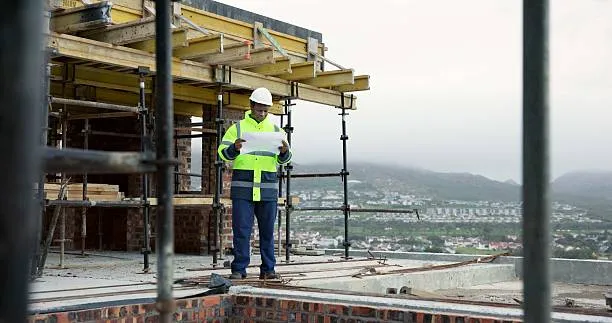
onstruction company in Durban reviewing structural engineering blueprints and SANS 10400 compliance by MH Homes

OSTLY BUILDER MISTAKES DURBAN HOMEOWNERS MAKE

Construction company in Durban completed coastal luxury residence in Umhlanga and Ballito by MH Homes

REALISTIC 2026 BUILDING & RENOVATION COSTS IN DURBAN & KZN

Trusted Construction Company in Durban: How to Avoid Costly Builder Mistakes

Building on the KwaZulu-Natal coastline presents unique geotechnical, climatic, and regulatory challenges that inland builders rarely encounter. Any experienced builder operating in greater Durban must engineer solutions specifically for coastal soil profiles, high seasonal rainfall, steep Berea and North Coast gradients, and corrosive marine air.
 
Consider the technical realities of building across eThekwini and KwaDukuza municipalities:
  • Complex Coastal Soils & Sloped Terrains: From the loose wind-blown Berea Red sands in Morningside and Durban North to steep coastal dunes in Umhlanga and Ballito and reactive clay pockets in the Upper Highway, foundation engineering is never one-size-fits-all. A qualified construction company works closely with geotechnical and structural engineers to specify piled foundations, reinforced raft slabs, and engineered retaining walls before a single trench is dug.
  • Subtropical Weather & Waterproofing Standards: Durban’s heavy summer downpours and 80% relative humidity quickly expose poor roof flashings, inadequate damp-proof courses (DPC), and porous plaster mixes. Experienced coastal builders enforce strict concrete cover over reinforcing steel so salt-laden moisture never triggers concrete cancer.
  • Strict Municipal & Estate Governance: Whether submitting building plans to eThekwini Municipality or adhering to architectural design codes in Zimbali, Simbithi, Mount Edgecombe, or Hawaan Forest Estate, a professional building contractor manages compliance proactively rather than treating regulations as an afterthought.

10 Costly Builder Mistakes Durban Homeowners Make (And How to Prevent Them)

Most building disasters do not happen overnight; they are baked into the contract before excavation even begins. Understanding the ten most common mistakes homeowners make when appointing a residential builder will protect both your budget and your peace of mind.

1. Choosing the Lowest Quote Without Auditing Line-Item Specifications
When three contractors tender on the same set of architectural drawings and two quote R2,400,000 while the third quotes R1,650,000, the cheapest bidder has not discovered a magical discount on cement and reinforcing steel. Instead, that contractor has either omitted critical structural items (such as retaining walls, stormwater attenuation, or electrical distribution upgrades) or plugged in unrealistically low Provisional Sums (PC amounts) for tiles, sanitaryware, and kitchen joinery. Once your roof is off and walls are demolished, those omitted items reappear as expensive variation orders.
2. Signing an Informal Quotation Instead of a JBCC or MBA Building Contract
Never allow a construction company to begin work on your property based on a one-page WhatsApp message or informal invoice. Always insist on a recognized South African construction agreement, such as the JBCC Minor Works Agreement or the Master Builders Association (MBA) House Building Contract. These standard contracts legally define retention monies, penalty clauses for late completion, defect liability periods, dispute resolution procedures, and exact milestone valuation rules.
3. Paying Large Upfront Deposits Before Materials Reach Site
No reputable contractor requires a 50% or 70% upfront cash deposit to start a residential build. Legitimate builders operate established trade credit accounts with major KZN suppliers. Standard industry practice limits initial mobilization deposits to 10% to 15% (backed by proper insurance and NHBRC enrolment), followed by staged progress payments verified only after measurable physical milestones—such as foundation concrete pour, wall-plate height, roof structure completion, and first-fix services—are inspected and signed off.
4. Failing to Verify Active NHBRC Registration Before Breaking Ground
Under South Africa’s Housing Consumers Protection Measures Act, any contractor building a new home must hold an active registration with the National Home Builders Registration Council (NHBRC) and enrol your specific stand prior to commencing construction. Enrolment provides a five-year structural warranty covering roof structure, walls, and foundations. Never accept an expired certificate or a promise to “register later”—verify the builder’s active status directly on the official NHBRC database before paying a cent.
5. Starting Construction Before Municipal Building Plans Are Stamped Approved
Some impatient builders encourage homeowners to “start digging foundations while we wait for council approval.” This is a severe legal and financial trap. If eThekwini or KwaDukuza building inspectors issue a stop-work notice or demolition order—or if municipal plan scrutiny requires shifting a boundary setback or storm drainage line—you absorb 100% of the demolition and redesign costs. A trustworthy construction company refuses to break ground until stamped municipal approval is physically on site.
6. Overlooking Geotechnical Soil Reports & Structural Engineer Inspections
Skipping a R12,000 to R22,000 geotechnical soil investigation on a sloped Durban or Ballito plot can easily trigger R350,000+ in foundation overruns later. Equally critical is ensuring your structural engineer personally inspects and signs off reinforcing steel cages inside foundation trenches, retaining walls, and suspended concrete slabs before concrete trucks pour.
7. Ignoring Contractor’s All Risk (CAR) & Public Liability Insurance
What happens if a severe coastal storm collapses a newly built boundary wall, or a subcontractor accidentally fractures a municipal water main or damages your neighbour’s roof? Before handing over site access, demand current proof of Contractor’s All Risk (CAR) insurance, Public Liability cover, and a valid COIDA Letter of Good Standing from the Department of Employment and Labour.
8. Splitting Structural Building and Interior Joinery Across Uncoordinated Contractors
Many homeowners hire one contractor for the masonry shell and separate independent tradespeople for kitchen cabinetry, built-in cupboards, aluminium windows, and tiling. When the kitchen installer arrives and discovers the bricklayer plastered a wall 25 mm out of square or placed a plumbing waste pipe behind a dishwasher bay, finger-pointing delays handover by weeks. Working with a turnkey construction company like MH Homes, which houses both structural construction and custom CNC joinery under one roof, eliminates inter-trade friction completely.
9. Neglecting Coastal Waterproofing & Concrete Cover Specifications
Within 5 km of the Indian Ocean, airborne chlorides penetrate porous concrete and rust internal steel rebar, causing concrete to crack and spall outward. Ensure your building team specifies appropriate concrete strength grades (typically 25 MPa to 30 MPa for structural elements), minimum 40 mm to 50 mm concrete cover over steel reinforcement, torch-on waterproofing membranes on flat concrete roofs, and SABS-approved damp-proof membranes under all surface beds.
10. Releasing Final Retention Money Before Completing a Formal Snag List
Every residential building contract should hold back a 5% retention fee for 90 days after practical completion. This ensures your builder returns promptly to rectify hairline plaster shrinkage cracks, adjust sticky doors, test roof waterproofing after heavy rain, and hand over all statutory Certificates of Compliance (CoCs) before the final balance is settled.

12-Point Checklist for Vetting Any Construction Company in Durban

  • CIPC Company Registration & Physical Office Address: Verify that the business is a registered (Pty) Ltd entity with a verifiable physical office or workshop in Durban—not just a cell phone number and PO Box.
  • Active NHBRC Registration Number: Confirm current annual renewal status for new residential builds.
  • Master Builders KwaZulu-Natal (MBA KZN) Membership: Membership in Master Builders KZN demonstrates adherence to industry ethics, safety standards, and dispute mediation protocols.
  • Valid COIDA Letter of Good Standing: Protects you as the property owner from personal liability if a worker is injured on your premises.
  • Contractor’s All Risk & Public Liability Insurance: Minimum R5,000,000 to R10,000,000 public liability cover for residential sites.
  • Detailed Itemized Bill of Quantities (BOQ): Every trade—from excavation and brickwork to roofing, plumbing, electrical, and finishes—must be priced transparently with realistic PC allowances.
  • Dedicated Site Foreman & Project Manager: Confirm who will supervise daily workmanship on site and how frequently you will receive written progress updates
  • Recent Local KZN Client References: Speak directly to at least three homeowners in Durban, Umhlanga, Ballito, or the Upper Highway whose projects were completed within the past 18 months.
  • Active Site Visit Opportunity: A confident builder will gladly walk you through a current live construction site so you can inspect site cleanliness, scaffolding safety, and brickwork plumbness firsthand.
  • In-House or Vetted Registered Subcontractors: Verify that electrical, plumbing, and gas installations are executed by registered artisans able to issue statutory SANS 10400 Certificates of Compliance.
  • Transparent Milestone Payment Schedule: Payments tied strictly to completed, inspected construction stages—never arbitrary calendar dates.
  • Written Structural & Workmanship Guarantees: Clear post-handover defect liability terms (minimum 3 to 12 months general snag warranty alongside the 5-year NHBRC structural guarantee).

To see how our team structures transparent milestone estimates before breaking ground, read our Homeowner’s Blueprint renovation and building guide.

Realistic 2026 Building & Renovation Costs in Durban & KZN

When budgeting with a reputable construction company in Durban in 2026, square-metre rates vary substantially depending on slope complexity, foundation engineering, ceiling heights, glazing specifications, and interior finishes. Below are realistic 2026 KZN market benchmarks (excluding VAT, professional architectural/engineering fees, and municipal submission charges):
1. Standard Contemporary Residential New Build: R14,500 – R18,500 per m²
  • Specification profile: Level or gently sloping plot, conventional strip footings, plastered brick walls, concrete roof tiles or Chromadek sheeting, standard aluminium windows, porcelain floor tiles, and mid-range kitchen and bathroom fittings.
  • Typical 220 m² family home investment: R3,190,000 – R4,070,000.
2. Luxury Coastal Architectural Residence: R19,500 – R28,000+ per m²
  • Specification profile: Sloped coastal site in Umhlanga, Ballito, or Durban North requiring engineered retaining walls or piled foundations, off-shutter concrete features, double-volume ceilings, frameless stack-away glazing, bespoke handleless kitchen joinery, sintered stone worktops, solar/inverter integration, and landscaped pool decks.
  • Typical 350 m² luxury home investment: R6,825,000 – R9,800,000+
3. Structural Home Extensions & Second-Storey Additions: R16,000 – R23,500 per m²
  • Specification profile: Adding a master suite, home office, or double-storey extension onto an existing Durban home, including roof tie-ins, structural steel beams, underpinning where required, and matching exterior plaster and roof profiles.
  • Typical 65 m² extension investment: R1,040,000 – R1,527,500
4. Major Open-Plan Interior Structural Renovations: R350,000 – R1,400,000+
  • Specification profile: Demolishing load-bearing internal walls, installing engineer-certified steel I-beams, full kitchen and scullery transformation, bathroom remodels, complete electrical rewiring, new flooring, and indoor-outdoor patio openings

Municipal Plan Approval & Estate Compliance Across eThekwini & KwaDukuza

Navigating regulatory approvals is one of the biggest bottlenecks homeowners face when planning a build in KwaZulu-Natal. Depending on where your property sits, your contractor must coordinate multiple sign-offs before and during construction:

  • eThekwini Municipality (Durban, Berea, Morningside, Glenwood, Durban North, Umhlanga, Westville, Kloof): Requires full architectural drawings, structural engineering certificates, energy-efficiency calculations (SANS 10400-XA), and boundary line relaxation approvals where extensions encroach on building lines.
  • KwaDukuza Municipality (Ballito, Salt Rock, Sheffield Beach): Enforces strict coastal stormwater management, indigenous landscaping buffers, and height restrictions on ocean-facing stands.
  • Gated Residential Estates (Zimbali, Simbithi, Mount Edgecombe, Hawaan Forest Estate): Before municipal submission, architectural plans must first pass the estate’s Homeowners Association (HOA) Design Review Committee, and contractors must pay refundable building deposits and follow strict site operating hours.
Explore our luxury home building and structural renovations service page or our signature kitchen design and custom joinery division to see how our building and interior teams deliver cohesive residential transformations.

How MH Homes Operates Differently as a Turnkey Construction Company in Durban

At MH Homes (Pty) Ltd, we built our reputation across Durban and coastal KwaZulu-Natal by solving the exact frustrations that give the building industry a bad name. Based at 33 Helen Joseph Road in Bulwer, Berea, our construction company combines over 15 years of structural building experience with an in-house custom joinery workshop.

Our 6-Stage Accountability Workflow
  1. Understand & Feasibility Audit: We meet you on site to assess plot topography, existing structural conditions, municipal zoning rules, and realistic budget alignment before you spend money on unnecessary revisions.
  2. Pre-Construction Planning & Engineering:
  3. Transparent Line-Item Costing: You receive a comprehensive, itemized schedule of rates spelling out exact material grades, concrete strengths, waterproofing systems, and realistic finish allowances—zero hidden provisional traps.
  4. Disciplined Site Supervision: A dedicated site manager oversees daily bricklaying, steel fixing, plumbing, and electrical first-fix, enforcing strict SANS 10400 quality checks and weekly photo/video progress reports.
  5. Integrated Custom Joinery & Finishes: Because our master carpenters manufacture your kitchen cupboards, vanities, and built-in cabinetry off-site in our workshop while structural work progresses, your interior fit-out slots into place with millimetre precision.
  6. Compliance Certification & Snag-Free Handover: We compile every statutory document—including your Electrical CoC, LPGSASA Gas CoC, Glazing Certificate, Roof Truss Engineer Certificate, and Municipal Occupation Certificate—before walking through a thorough final snag list with you

Frequently Asked Questions About Hiring a Construction Company in Durban

How do I verify if a construction company in Durban is legitimate?
Check five essential documents before signing any contract: their active CIPC company registration, current NHBRC registration certificate (mandatory for new homes), COIDA Letter of Good Standing, proof of Contractor’s All Risk and Public Liability insurance, and verifiable recent client references in Durban, Umhlanga, or Ballito.
How much does a trusted builder charge per square metre in Durban in 2026?
In 2026, a reputable construction company in Durban charges between R14,500 and R18,500 per m² for a standard contemporary home build, R19,500 to R28,000+ per m² for luxury coastal architectural residences on sloped sites, and R16,000 to R23,500 per m² for structural home extensions.
Should I choose a fixed-price building contract or cost-plus?
For residential homes and renovations, a fixed-price JBCC or MBA contract supported by a detailed Bill of Quantities offers the strongest protection against budget creep. Cost-plus contracts remove the builder’s incentive to control labour efficiency and material waste unless managed under strict quantity-surveyor oversight.
How long does it take to build a house or major extension in Durban?
Municipal plan approval through eThekwini or KwaDukuza typically takes 8 to 16 weeks prior to breaking ground. Once site handover occurs, a major structural extension takes 3 to 5 months, while a complete luxury new home build takes 8 to 14 months depending on square meterage and foundation complexity.
What certificates must my builder give me at handover?
At project handover, your contractor must provide an Electrical Certificate of Compliance (CoC), LPGSASA Gas CoC (if gas is installed), SANS 10400-N Glazing Certificate, Engineer’s Roof Truss Certificate (A19), Soil Poisoning / Termite Treatment Certificate, and sign-off for your Municipal Occupation Certificate.
Which areas across KwaZulu-Natal does MH Homes service?
MH Homes operates across Durban, Berea, Morningside, Glenwood, Durban North, South Coast, Outer West, Umhlanga, La Lucia, Ballito, Zimbali, Westville, and Kloof.

Partner With a Trusted Construction Company in Durban Today

Your home is too important to entrust to guesswork, vague estimates, or unverified subcontractors. Whether you are planning a custom luxury residence in Umhlanga or Ballito, a second-storey extension in Durban North or Westville, or a complete structural and kitchen transformation in Berea or Glenwood, MH Homes delivers accountable craftsmanship from foundation to final handover.
Schedule Your Free On-Site Consultation & Project Feasibility Review or call MH Homes directly on 081 737 0025 to speak with our Durban construction management team today.