Why NHBRC Registered Builders Durban Protect You from Structural Disasters

Appointing NHBRC registered builders Durban homeowners can verify before excavation begins is not merely a bureaucratic formality—it is your strongest legal, financial, and engineering shield against catastrophic structural failure. Across Durban, Berea, Morningside, Glenwood, Durban North, Umhlanga, La Lucia, Ballito, Westville, and Kloof, residential construction projects routinely fail when property owners hire unregistered contractors who bypass soil testing, skimp on foundation steel reinforcement, and pour porous concrete mixes ill-suited for KwaZulu-Natal’s subtropical coastal climate.

Under South African law, specifically the Housing Consumers Protection Measures Act (Act 95 of 1998) published on the official South African Government Legislation Portal, no builder may construct a new residential home—or carry out structural work requiring NHBRC enrolment—without holding an active registration with the National Home Builders Registration Council. Yet every year across greater Durban and the North Coast, unsuspecting homeowners hand over hundreds of thousands of Rand to unregistered operators, only to discover later that banks refuse to release building bond draws, municipal inspectors issue stop-work orders, and severe foundation settlement cracks appear within months of moving in.

At MH Homes (Pty) Ltd, our team has spent over 15 years operating alongside NHBRC registered builders Durban, Umhlanga, and Ballito families trust for turnkey new residences, double-storey extensions, and coastal structural renovations. Based at 33 Helen Joseph Road in Bulwer, Berea, we enforce strict engineering hold points, SANS 10400 compliance audits, and transparent JBCC contract governance on every site. In this comprehensive 2026 homeowner’s protection guide, we explain exactly how NHBRC registered builders Durban safeguard your property, how stand enrolment and the 5 year structural warranty South Africa law mandates actually work, and which seven structural disasters happen most frequently on unregistered KZN builds.
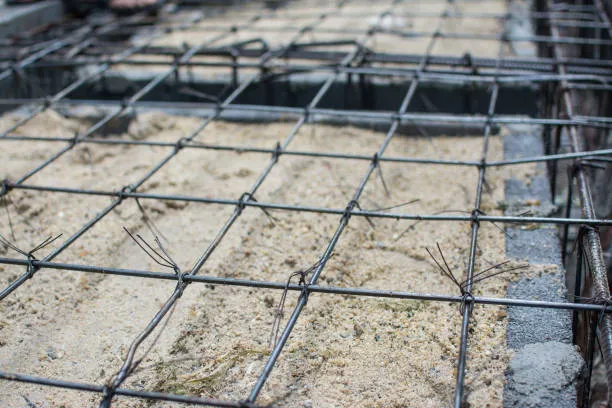

NHBRC registered builders Durban verifying high tensile steel rebar and damp proof membrane before concrete pour by MH Homes

HOW THE 5-YEAR NHBRC STRUCTURAL WARRANTY & STAND ENROLMENT WORK

NHBRC registered builders Durban completed coastal architectural residence in Umhlanga and Ballito by MH Homes

7 STRUCTURAL DISASTERS COMMON ON UNREGISTERED KZN BUILDS

The Legal Mandate: Why NHBRC Registration Is Compulsory in South Africa

Many homeowners mistakenly believe that hiring an unregistered contractor is simply a personal risk choice if the builder offers a lower square-metre price. In reality, using an unregistered builder for a new residential dwelling violates statutory South African housing consumer law and creates immediate financial and legal consequences for the property owner:

  • Bank Building Bond Refusal: Every major South African commercial bank requires proof of active contractor registration and a valid NHBRC stand enrolment KZN certificate before releasing the first building loan draw. If your contractor is unregistered, your bond funding freezes immediately.
  • Invalidated Structural Warranty Protection: Only homes built by NHBRC registered builders Durban and properly enrolled prior to excavation qualify for the statutory five-year major structural defect warranty fund. If an unregistered builder liquidates or disappears when your roof trusses sag or your slab cracks, you have zero statutory warranty recourse.
  • Municipal & Conveyancing Complications: When you eventually sell your property, transferring attorneys, bond originators, and prospective buyers routinely request your original NHBRC enrolment certificate alongside your Municipal Occupation Certificate. Missing enrolment documentation can delay or derail a future property sale.
  • Personal Liability Exposure: Unregistered builders who cut corners on statutory registration frequently also operate without a valid COIDA Letter of Good Standing or Contractor’s All Risk insurance, leaving the homeowner exposed to personal liability claims if an injury or neighbouring property damage occurs on site.

How the 5-Year NHBRC Structural Warranty & Stand Enrolment Work

Understanding the exact mechanics of stand enrolment helps you verify that your chosen NHBRC registered builders Durban team has properly protected your build before a single spade touches the earth.

Step 1: Annual Builder Registration & Technical Grading
To maintain active status, NHBRC registered builders Durban must undergo annual corporate vetting, financial compliance checks, and technical grading assessments confirming their competence across specific project value tiers. Always verify that your builder’s current annual certificate is valid for the exact calendar year of your build and covers the full Rand value of your contract.
Step 2: Mandatory Stand Enrolment Prior to Excavation
At least 14 days before breaking ground, your builder must submit your stamped municipal building plans, signed building contract, structural engineer’s design appointment (Form 1 / Form 2), and geotechnical soil classification to enrol your specific erf or stand. Once the enrolment fee is settled and processed, an official NHBRC Enrolment Certificate bearing your stand number is issued. Never allow excavation to start until you hold a copy of that certificate in your hands.
Step 3: Compulsory Stage Inspections During Construction
Enrolment triggers mandatory technical inspections by qualified inspectors at critical structural hold points—specifically:
  1. Substructure & Foundation Trench Inspection: Verifying trench depth, soil bearing stratum, reinforcing steel cage placement, and damp-proof membrane installation prior to concrete pouring.
  2. Superstructure & Wall-Plate Inspection: Auditing masonry mortar strength, brickforce reinforcement every third course, cavity wall ties, lintel bearings, and window-frame damp-proofing.
  3. Roof Structure & Storm-Tie Inspection: Checking engineered timber or steel roof truss spacing, hurricane clips, wall-plate strapping, and roof covering compliance before ceilings close up the roof void.
Step 4: The 5-Year Major Structural Defect Warranty
Once your build reaches practical completion, NHBRC registered builders Durban remain legally bound by statutory defect obligations:
  1. 3-Month General Snag Period: The builder must rectify minor non-structural defects (such as hairline plaster shrinkage, sticky doors, or paint touch-ups) within three months of occupation.
  2. 1-Year Roof Leak Warranty: The builder must repair roof waterproofing and flashing leaks arising within the first 12 months.
  3. 5-Year Major Structural Defect Warranty: Your home is protected for five full years from the date of occupation against major structural failure affecting foundations, load-bearing walls, structural concrete slabs, and roof framing.

7 Structural Disasters Common on Unregistered KZN Builds

KwaZulu-Natal’s subtropical climate and steep coastal topography punish shortcut construction far faster than dry inland regions. Below are seven severe structural failures that NHBRC registered builders Durban prevent through disciplined engineering and stage inspections:

1. Differential Foundation Settlement on Berea Red Sands & Dune Fill
Across Durban North, Morningside, Berea, Umhlanga, and Ballito, soil profiles vary dramatically between loose wind-blown sand, uncompacted fill, and reactive clay pockets. Unregistered contractors frequently dig shallow 400 mm trenches without geotechnical classification and pour weak site-mixed concrete without steel reinforcement. Within 12 to 24 months, uneven soil settlement causes diagonal step-cracking through brickwork, jammed aluminium sliding doors, and fractured floor slabs that cost R400,000+ to underpin.
2. Coastal Concrete Cancer (Rebar Chloride Corrosion)
Within five kilometres of the Indian Ocean, airborne sea salts penetrate porous concrete and attack internal steel reinforcement bars. As steel rusts, it expands up to six times its original volume, blowing chunks of concrete off balconies, ring beams, and columns. Experienced NHBRC registered builders Durban prevent concrete cancer by specifying dense 25 MPa to 30 MPa ready-mix concrete grades and enforcing a strict 40 mm to 50 mm concrete cover over high-tensile rebar.
3. Retaining Wall Collapse During Heavy Summer Cloudbursts
Durban and the North Coast experience intense summer downpours exceeding 100 mm in a single storm. Unregistered builders routinely construct single-skin or unreinforced block retaining walls without heel-and-toe footings, geo-fabric filter membranes, or perforated subsoil weep-pipes. When saturated earth builds hydrostatic pressure behind an undrained wall, the entire structure overturns onto driveways or neighbouring boundaries.
4. Roof Uplift & Truss Failure in Coastal Gale Winds
Severe coastal storms bring high wind uplift forces along the KZN shoreline. Shortcuts such as omitting galvanized hurricane clips, failing to strap roof trusses deep into brickwork with hoop-iron ties, or altering engineered nail-plate trusses on site without structural engineer sign-off can lead to catastrophic roof failure.
5. Rising Damp & Penetrating Moisture Through Cavity Walls
In Durban’s 80% summer humidity, omitting SABS-approved 250-micron damp-proof membranes beneath concrete surface beds or bridging cavity walls with excess mortar droppings allows ground moisture and driving rain to wick straight into interior plaster—ruining paintwork, timber skirting, and built-in cupboards.
6. Deflecting Concrete Slabs & Cracked Large-Format Porcelain Tiles
Pouring suspended first-floor slabs without proper temporary propping duration, sufficient negative-moment top steel reinforcement, or controlled curing causes excessive slab deflection. Once the slab sags by even 8 mm to 10 mm, expensive rectified porcelain floor tiles tent and pop loose across living rooms.
7. Illegal Electrical & Gas Installations Failing Statutory CoCs
Unregistered builders often use unqualified handymen to wire distribution boards or install copper gas piping for stoves and geysers. When a registered electrician or LPGSASA gas practitioner inspects the property later, entire walls must be chased open again to bring wiring and gas isolation valves up to SANS 10400 safety codes.

How Coastal KZN Engineering & Municipal Approvals Work Together

Navigating municipal building approvals alongside NHBRC compliance is essential for every project across greater Durban and the North Coast. Reputable NHBRC registered builders Durban coordinate seamlessly with local authorities and professional teams:

  • eThekwini Municipality (Durban, Berea, Morningside, Glenwood, Durban North, Umhlanga, Westville, Kloof): Requires stamped architectural drawings, structural engineer design certificates (Form 1), SANS 10400-XA energy-efficiency calculations, and building inspector stage sign-offs administered through eThekwini Municipality.
  • KwaDukuza Municipality (Ballito, Salt Rock, Sheffield Beach, Zimbali): Enforces strict coastal stormwater attenuation requirements, steep-slope geotechnical certifications, and coastal setback compliance managed via KwaDukuza Municipality.
  • Master Builders KwaZulu-Natal Standards: Leading contractors also align their contracts and occupational safety systems with Master Builders KwaZulu-Natal, ensuring transparent JBCC contract governance, valid COIDA worker cover, and Contractor’s All Risk insurance.

To see how our structural engineering and site supervision teams execute complex coastal builds and double-storey extensions, explore our luxury home building and structural renovations service page.

How to Verify NHBRC Registered Builders Durban Before Signing a Contract

Never take a contractor’s word—or an unverified PDF logo on a letterhead—at face value. Follow these six verification steps before paying a deposit to any NHBRC registered builders Durban candidate:

1. Request the Current Annual Registration Certificate: Check the exact legal entity name (Pty) Ltd, registration number, and expiry date on the certificate.

2. Verify Active Status Directly on the Official Portal: Cross-check the registration number online to confirm the builder is active, un-suspended, and graded for your project’s contract value.

3. Confirm Who Will Enrol Your Specific Stand: Ensure your JBCC or MBA building contract explicitly states that the contractor will complete NHBRC stand enrolment KZN registration and provide you with the official enrolment certificate prior to site handover and excavation.

4. Verify Structural Engineer Appointment (Form 1 & Form 2): On sloped coastal sites, double-storey builds, or suspended concrete slabs, confirm that a registered structural engineer is appointed to inspect reinforcing steel cages before concrete pours and issue completion sign-off.

5. Audit Insurance & COIDA Compliance Alongside Registration: Pair your NHBRC check with current proof of Contractor’s All Risk (CAR) insurance, Public Liability cover, and a valid COIDA Letter of Good Standing.

6. Inspect Active Sites & Recent KZN References: Walk through a live construction site in Durban, Umhlanga, Ballito, or Westville to see firsthand how the builder enforces steel reinforcement, damp-proofing, and site cleanliness daily.

For a deeper look at contract governance and quote auditing, read our guides on choosing trusted building contractors Durban and stunning custom home builders in Durban, or download our Homeowner’s Blueprint renovation and building guide.

How MH Homes Enforces Structural Integrity & Turnkey Precision

At MH Homes (Pty) Ltd, we treat statutory compliance and structural engineering as the bedrock of every residential project across Durban and coastal KwaZulu-Natal. Based at 33 Helen Joseph Road in Bulwer, Berea, our turnkey delivery system protects homeowners at every milestone:

  • Pre-Construction Geotechnical & Structural Alignment: Before finalizing foundation budgets, we coordinate geotechnical soil testing and structural engineer designs tailored specifically to Berea Red sands, sloped Umhlanga and Ballito dunes, or Upper Highway clay strata.
  • Itemized Bills of Quantities & Fixed-Price JBCC Contracts: Every concrete strength grade (25 MPa / 30 MPa), high-tensile steel tonnage, torch-on waterproofing membrane, and coastal aluminium specification is priced transparently upfront with a 5% cash retention clause.
  • Daily Site Supervision & Engineering Hold Points: Our dedicated site foremen inspect every foundation trench, rebar cage, damp-proof membrane, and roof truss tie-down daily—and never pour structural concrete until your structural engineer has signed off the reinforcement.
  • Integrated In-House Custom Joinery: Because our master carpenters manufacture your kitchen cabinetry, scullery units, vanities, and built-in cupboards off-site in our Durban workshop using Moisture-Resistant (MR) board and waterproof PUR edge-banding, structural walls and interior finishes align to millimetre accuracy. Explore our signature kitchen design and custom joinery division or test your build budget using our interactive home building calculator.

Frequently Asked Questions About NHBRC Registered Builders Durban

Why must I hire NHBRC registered builders Durban for a new home build?
Under South Africa’s Housing Consumers Protection Measures Act, hiring NHBRC registered builders Durban is a legal requirement for all new residential homes. Registration ensures your stand is enrolled prior to excavation, qualifies your property for the statutory 5 year structural warranty South Africa law mandates, and is required by banks before releasing building bond draws.
Does NHBRC enrolment apply to home extensions and renovations in Durban?
Standard NHBRC stand enrolment applies primarily to new residential dwellings (including new second dwellings or freestanding garden cottages on a property). However, hiring NHBRC registered builders Durban for major double-storey extensions and structural renovations ensures your contractor maintains the exact same SANS 10400 structural engineering discipline, insurance cover, and written workmanship guarantees.
How much does NHBRC stand enrolment cost in 2026?
In 2026, statutory NHBRC stand enrolment KZN fees are calculated on a sliding scale based on the total building contract value—typically equating to roughly 1.3% of the construction value (capped by statutory maximum brackets). Reputable builders clearly show this statutory enrolment allowance inside your pre-construction budget.
What does the 5-year NHBRC structural warranty actually cover?
The five-year warranty covers major structural defects affecting the load-bearing integrity of your home—specifically foundations, structural concrete slabs, load-bearing masonry walls, and engineered roof structures—alongside a 12-month roof leak warranty and a 3-month general snag rectification period.
How can I check if a Durban builder’s NHBRC registration is still active?
Ask the contractor for their current annual registration certificate showing their registration number and expiry date, and verify that exact number directly on the official NHBRC online register before signing a contract or paying any deposit.
Which areas across Durban and KwaZulu-Natal does MH Homes service?
MH Homes executes turnkey new home builds, double-storey structural extensions, renovations, and bespoke kitchen joinery across Durban, Berea, Morningside, Glenwood, Durban North, Umhlanga, La Lucia, Ballito, Zimbali, Westville, and Kloof.

Protect Your Home Investment With NHBRC-Compliant Craftsmanship

Never gamble a multi-million-Rand property investment on unverified shortcuts or unregistered contractors. With over 15 years of residential structural engineering, transparent JBCC contract governance, and bespoke workshop joinery across Durban and coastal KwaZulu-Natal, MH Homes (Pty) Ltd builds homes engineered to stand strong for generations.
 
Schedule Your Free On-Site Feasibility & Structural Consultation Today or call MH Homes directly on 081 737 0025 to speak with our Durban construction team.